


Scissor Lift Safety Rules for Indoor and Outdoor Work


Learn essential scissor lift safety rules for indoor and outdoor work, including pre-operation inspections, fall prevention, weather precautions, and safe operating practices.
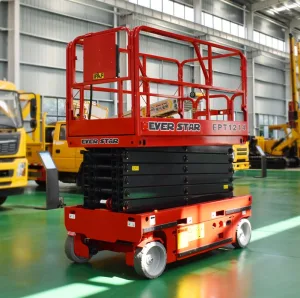
EVERSTAR: Scissor Lift Model EPT1214
Introduction
Scissor lifts are widely used in construction, maintenance, warehousing, and industrial applications to provide safe and efficient access to elevated work areas. However, improper operation, unstable ground, overhead hazards, and adverse weather conditions can lead to serious accidents.
Following essential scissor lift safety rules helps operators reduce workplace risks, protect workers, and improve operational efficiency. Whether you use a scissor lift indoors or outdoors, understanding the equipment’s limitations and applying the correct safety procedures are critical.
This guide covers the most important scissor lift safety practices for different working environments, from pre-operation inspections to safe positioning, platform use, and emergency preparedness.
1. Inspect the Scissor Lift Before Operation
A pre-operation inspection is one of the most important steps in scissor lift safety. Operators should inspect the equipment before each shift and whenever required by the manufacturer’s instructions or workplace procedures.
Check the Main Components
Before operating the lift, inspect the following components:
- Tires and wheels:Check for visible damage, excessive wear, or other defects that could affect stability.
- Hydraulic system:Look for fluid leaks, damaged hoses, and abnormal hydraulic performance.
- Guardrails and gates:Ensure guardrails are secure and access gates close properly.
- Controls and emergency stops:Test the platform and ground controls according to the operating manual.
- Electrical components:Check batteries, cables, connectors, and charging systems for visible damage.
- Scissor mechanism:Look for damaged structural components, loose fasteners, or other obvious defects.
If any safety-critical component is damaged or malfunctioning, remove the lift from service and report the problem. Do not operate the equipment until it has been properly repaired and cleared for use.
Verify the Load Capacity
Every scissor lift has a rated platform capacity. This limit includes workers, tools, materials, and any other loads carried on the platform.
Never exceed the manufacturer’s specified capacity. Distribute loads evenly and secure tools and materials to prevent them from shifting during operation.
2. Follow Essential Indoor Scissor Lift Safety Rules
Indoor scissor lift operations often take place in warehouses, factories, shopping centers, and commercial buildings. Although indoor environments may offer protection from wind and rain, they present their own hazards.
Check Ceiling Height and Overhead Obstacles
Before raising the platform, identify overhead beams, pipes, sprinkler systems, electrical cables, lighting fixtures, and ventilation equipment.
Maintain adequate clearance between the platform, workers, and overhead structures. Be especially careful when working near ceilings or moving through narrow aisles.
Operators should also watch for overhead power lines or exposed electrical components. Maintain the required electrical clearances and follow applicable electrical safety procedures.
Ensure Adequate Ventilation
Electric scissor lifts are often suitable for indoor applications because they produce no exhaust emissions during normal operation.
If using an engine-powered lift, confirm that the equipment is approved for the environment and that adequate ventilation is available. Never operate combustion-engine equipment in enclosed spaces unless the conditions and equipment are specifically suitable for that use.
Keep Floors Clear and Level
Indoor floors may appear stable but can contain ramps, floor openings, loading docks, slippery surfaces, or uneven transitions.
Remove debris and obstacles from the travel path. Confirm that the floor can support the combined weight of the lift, workers, tools, and materials.
Avoid operating on surfaces that exceed the manufacturer’s permitted slope or gradient.
3. Follow Essential Outdoor Scissor Lift Safety Rules
Outdoor work introduces additional risks, including wind, uneven ground, rain, and changing weather conditions. These hazards can affect platform stability and increase the likelihood of tipping or other accidents.
Evaluate Ground Conditions
Before positioning an outdoor scissor lift, inspect the work area for soft soil, loose gravel, potholes, slopes, trenches, and underground structures.
Check that the ground can support the equipment’s weight without sinking or shifting. Keep a safe distance from excavations, embankments, and unsupported edges.
Use only equipment designed and approved for the intended terrain. If the lift is not rated for rough terrain, do not use it on unsuitable outdoor surfaces.
Monitor Wind and Weather Conditions
Wind can significantly affect the stability of an elevated scissor lift, particularly when workers carry large panels, boards, or other materials that catch the wind.
Check the manufacturer’s maximum permitted wind speed before outdoor operation. Some scissor lifts are designed for indoor use only and must not be operated outdoors in windy conditions.
Stop work when wind exceeds the equipment’s rated limit or when severe weather creates unsafe conditions. Rain, lightning, and poor visibility may also require work to be suspended.
Maintain Safe Clearance from Traffic
Outdoor construction sites often contain moving vehicles, excavators, delivery trucks, and other machinery.
Establish a controlled work zone using appropriate barriers, warning signs, or traffic management measures. Assign a trained spotter when visibility is restricted or when the lift operates near vehicle routes.
Never position the lift where passing vehicles could strike it or where pedestrians may enter the operating area unexpectedly.
4. Prevent Falls and Other Platform Accidents
Fall prevention is a fundamental part of scissor lift safety. Although scissor lifts typically have guardrails, workers must still follow proper platform procedures.
Use Guardrails Correctly
Keep the platform gate closed and ensure all guardrails are installed and secured. Never climb, sit, or stand on guardrails to gain additional height.
Do not place ladders, boxes, or other makeshift supports on the platform. If the work area is out of reach, lower the platform and reposition the lift or select more suitable equipment.
Use fall-protection equipment when required by the manufacturer, applicable regulations, or the site-specific risk assessment. Follow the designated anchorage and equipment instructions.
Keep the Platform Organized
Tools, cables, and materials can create tripping hazards or interfere with platform controls.
Keep the work surface clean, secure loose items, and avoid allowing materials to extend beyond the platform in ways that could create collision or entanglement hazards.
Never use the scissor mechanism to lift materials beyond the equipment’s rated capacity or intended purpose.
5. Operate the Scissor Lift Safely
Safe operation requires proper training, attention, and compliance with the manufacturer’s instructions.
Allow Only Trained and Authorized Operators
Operators should receive appropriate training on the specific type of scissor lift they will use. They must understand its controls, load limits, emergency procedures, stability requirements, and operating restrictions.
Before starting work, review the site conditions and identify hazards that could affect safe operation.
Move Carefully and Maintain Visibility
When traveling, follow the manufacturer’s instructions regarding platform height and movement. Lower the platform before traveling whenever required or appropriate for the equipment and site conditions.
Move at a controlled speed, especially in confined spaces or areas with pedestrian traffic. Keep the travel path clear and avoid sudden turns or abrupt movements.
Never bypass safety interlocks or modify the equipment without proper authorization.
Never Use a Scissor Lift as a Crane
Scissor lifts are designed to raise personnel and permitted materials within their rated capacity. They are not substitutes for cranes or material-handling equipment designed for suspended loads.
Avoid pushing or pulling against external structures in ways that could destabilize the lift. Do not use the platform to support loads that the manufacturer has not approved.
6. Prepare for Emergencies and Safe Shutdown
Emergency planning is essential for both indoor and outdoor work. Before starting a task, operators should understand how to stop the lift and how to lower the platform if the normal controls fail.
Understand Emergency Lowering Procedures
Identify the emergency stop controls and emergency lowering system before elevating the platform. Ensure that ground personnel know how to assist if an operator becomes unable to control the equipment.
Keep communication available between the platform operator and ground personnel, particularly when working at significant heights or in areas with restricted visibility.
Park and Secure the Equipment
At the end of the task, lower the platform fully, park the lift in an approved location, and follow the manufacturer’s shutdown procedure.
Remove keys or otherwise restrict unauthorized use when appropriate. Connect the equipment to its charging system only as instructed, and report any defects identified during operation.
7. Common Scissor Lift Safety Mistakes to Avoid
Even experienced workers can make mistakes when working under time pressure. Avoid these common practices:
- Operating without completing the required inspection.
- Exceeding the platform’s rated load capacity.
- Using an indoor-only lift in unsuitable outdoor conditions.
- Ignoring wind limits or unstable ground.
- Climbing guardrails or using makeshift platforms.
- Moving the lift without checking the surrounding area.
- Allowing untrained workers to operate the equipment.
- Ignoring warning alarms, damaged components, or malfunctioning controls.
Consistent safety procedures help reduce these risks and support more reliable job-site operations.
FAQs
Do workers need fall protection on a scissor lift?
Workers must remain within the protected platform and follow applicable regulations and manufacturer instructions. Additional fall-protection equipment may be required in certain circumstances. Requirements vary by jurisdiction and equipment type, so consult the applicable rules and site-specific risk assessment.
Can a scissor lift move while the platform is raised?
Some models permit elevated travel under specified conditions, while others impose stricter movement restrictions. Follow the operating manual and consider the ground conditions, visibility, platform height, and surrounding hazards before moving.
Contact EVERSTAR for Scissor Lift Machine
Just contact EVERSTAR for scissor lifts for your construction projects. Experts will offer the appropriate purchase advice and plan.


