


Scissor Lift Battery Maintenance: Charging, Inspection, and Storage


Electric scissor lifts are essential workhorses in construction, warehousing, and facility maintenance. At the heart of these reliable aerial platforms lies a heavy-duty battery pack, typically consisting of deep-cycle lead-acid or advanced lithium-ion batteries.
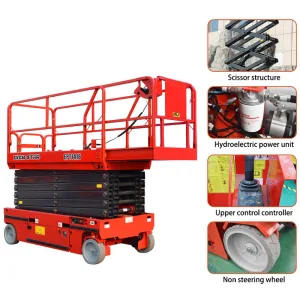
EVERSTAR: Scissor lift parts showcase.
Without proper care, battery lifespan plummets, leading to unexpected downtime, costly replacements, and potential job site delays.
Whether you operate a slab scissor lift or a rough terrain model, mastering battery care is critical. This comprehensive guide covers everything you need to know about maximizing battery life through proper charging protocols, routine inspections, and correct off-season storage techniques.
Understanding Your Scissor Lift Battery Type
Before diving into maintenance routines, it is important to understand what powers your equipment. Most standard electric scissor lifts use Flooded Lead-Acid (FLA), Absorbed Glass Mat (AGM), or Gel batteries. More modern units are transitioning to Lithium-ion (Li-ion) systems.
Lead-Acid Batteries (FLA, AGM, Gel): Require disciplined watering (for flooded types), careful charging habits, and regular terminal cleaning to prevent sulfation.
Lithium-Ion Batteries: Virtually maintenance-free with faster charging cycles, but sensitive to extreme temperatures and require specialized charging systems.
Knowing your specific battery chemistry ensures you apply the correct maintenance procedures and avoid irreversible damage.
Best Practices for Charging Scissor Lift Batteries
Proper charging is the single most influential factor in determining how long your scissor lift batteries will last. Improper charging habits—such as undercharging or letting batteries drop below critical thresholds—are the leading causes of premature failure.
1.Follow the Opportunity Charging Rule
Avoid “opportunity charging” (plugging in the machine for a few minutes whenever it is convenient) if you are using standard lead-acid batteries, as this can degrade cycle life. Instead, allow lead-acid batteries to complete a full charging cycle (typically 8 to 12 hours) once they drop below 20% to 30% state of charge (SoC). For lithium-ion systems, partial charging is generally acceptable.
2.Avoid Deep Discharges
Never run a scissor lift until the battery is completely dead. Discharging lead-acid batteries below 20% capacity causes internal sulfation, which hardens the lead plates and permanently reduces storage capacity. Install a low-voltage cutout habit or monitor the battery gauge closely during operation.
3.Maintain Correct Ambient Temperatures
Charging chemistry is temperature-sensitive. Avoid charging batteries in freezing conditions (0℃) without a temperature-compensated charger, as this can cause electrolyte freezing or permanent plate damage. Similarly, high heat during charging can warp casings and boil off essential fluids.
4.Routine Inspection and Cleaning Protocols
Preventative inspection catches minor issues before they turn into major equipment failures. Implement a weekly or bi-weekly inspection schedule for your scissor lift fleet.
Visual Inspection Checklist
Check for Cracks and Leaks: Inspect the battery casing for any physical damage, bulging, or acid leaks. If a casing is cracked, replace the battery immediately.
Inspect Terminals and Cables: Look for white or blue powdery buildup on the terminals. This corrosion increases electrical resistance and reduces charging efficiency.
Secure Mountings: Ensure the battery tray is secure and that vibrations from operation are not shaking the batteries loose.
Cleaning Corroded Terminals
To clean battery terminals safely:
1.Disconnect the scissor lift from the power source and wear protective gear (gloves and safety glasses).
2.Apply a mixture of baking soda and water to neutralize acid corrosion.
3.Scrub gently with a wire brush until clean.
4.Rinse with clean water and dry thoroughly, then apply a terminal protectant spray.
Managing Electrolyte Levels (Flooded Lead-Acid Only)
Flooded batteries require regular monitoring of fluid levels.
Check levels monthly or after every 10–15 charge cycles.
Add distilled water only after charging is complete. Never add tap water, as minerals will contaminate the cells.
Ensure the fluid covers the internal lead plates entirely, but do not overfill, as expansion during charging can cause overflow.
Proper Off-Season and Long-Term Storage
If your scissor lift is going to sit idle for an extended period—such as during winter or between seasonal projects—proper storage prevents deep self-discharge and dead cells.
Step-by-Step Storage Guide
1.Clean Thoroughly: Clean all dirt, grease, and corrosion from the battery tops and terminals before putting the machine away.
2.Charge to Full: Fully charge lead-acid batteries before storage. Storing a depleted battery accelerates sulfation and total failure.
3.Disconnect the Power: Unplug the battery pack from the machine’s main harness to prevent parasitic drains from onboard electronics.
4.Store in a Climate-Controlled Area: Keep batteries in a dry, frost-free environment. Ideal storage temperatures range between 10℃-20℃
5.Implement Maintenance Charges: Lead-acid batteries self-discharge over time. Recharge them every 30 to 60 days during storage to keep them above 80% capacity.
How often should I check the water levels in my scissor lift battery?
For flooded lead-acid batteries, you should check the water levels at least once a month or every 10 to 15 charge cycles. Always top off with distilled water after a full charge cycle, never before.
Can I use tap water to top off my lead-acid batteries?
No. Tap water contains minerals like calcium and magnesium that can build up on the battery plates, causing internal short circuits and significantly shortening battery life. Always use pure distilled water.
Contact EVERSTAR for High Quality Machines
Looking for high-performance electric scissor lifts built for efficiency, safety, and durability? Whether you need to expand your operational fleet, upgrade to ultra-reliable lithium-ion aerial work platforms, or source original replacement machinery, we have you covered.


